
 Jack
Jack 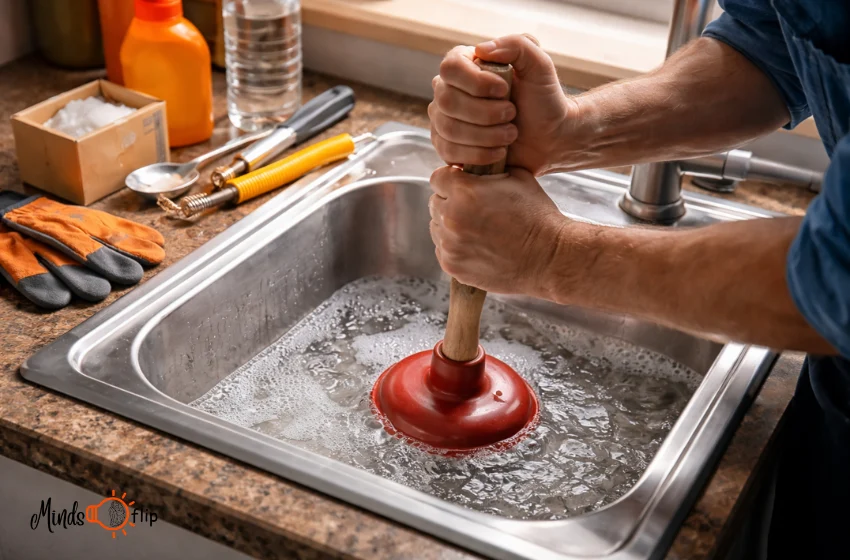
Clogged drains have a way of showing up at the worst possible time. You’re rinsing dishes, the sink starts filling. You’re in the shower, water creeps up around your feet. It’s never convenient.
The good news is, not every clog means disaster. With the right drain unblocking methods, most problems can be handled before they turn into something major. And if things are more serious, professionals now use tools like sewer camera inspection and CIPP to diagnose and repair pipes without tearing up your whole yard. But let’s start with the basics first.
Because honestly, most drain problems start small.
1. The Plunger. Yes, It Still Works
It sounds too simple, but a proper plunger is still one of the most effective drain unblocking methods out there.
The key word is proper. You need a tight seal. Half-hearted pumping won’t do much. Fill the sink slightly with water so there’s pressure, then plunge steadily. Not violently. Just consistent pressure.
For bathroom sinks and tubs, this often clears minor blockages caused by hair or soap buildup. Kitchen sinks can be trickier because grease behaves differently, but sometimes even that can be loosened.
It’s not glamorous, but it works more often than people admit.
2. Hot Water and Dish Soap
Before you reach for chemicals, try this.
Pour a decent amount of dish soap down the drain, followed by very hot water. Not boiling if you have PVC pipes, but hot enough to break down grease.
For kitchen sinks especially, this can be the best way to clean drains when the clog is caused by fat or food residue. It helps melt and flush buildup instead of just poking a hole through it.
It’s simple, low risk, and doesn’t damage your pipes. Sometimes we overcomplicate things.
3. Baking Soda and Vinegar
This one gets recommended a lot. Does it work? Sometimes.
The fizzing reaction can loosen light buildup and neutralize odors. It’s not magic, though. It won’t dissolve a solid hairball or tree root intrusion.
Still, as part of regular upkeep, it can function like a mild drain maintenance cleaner when used occasionally. Think of it more as preventative care rather than an emergency fix.
If you’re asking what is the best drain cleaner for heavy clogs, this probably isn’t it. But for mild buildup and smells, it has its place.
4. Drain Snakes and Augers
Now we’re getting more serious.
A drain snake physically grabs or breaks apart blockages. For bathroom sinks and showers clogged with hair, this is often one of the most reliable drain unblocking methods.
It’s not pretty. You will probably pull out something that makes you question humanity. But it works.
Manual snakes are affordable and easy to use with a bit of patience. For deeper blockages, plumbers use motorized augers that go much further into the line.
If water keeps backing up even after plunging, a snake is usually the next logical step.
See Also :
5. Chemical Drain Cleaners
This is where things get complicated.
Walk into any hardware store and you’ll see shelves of products claiming to be the best way to clean drains. Strong formulas that promise instant results.
But here’s the problem. Many chemical cleaners are harsh. They generate heat. They can weaken pipes over time, especially older metal plumbing.
So what is the best drain cleaner if you absolutely need one? Look for enzyme-based products. They work slower but are much safer for your plumbing system. They break down organic matter instead of aggressively burning through it.
Still, chemicals should not be your go-to solution every time. Overuse can lead to more damage than the clog itself.
6. Hydro Jetting
For recurring or stubborn blockages, hydro jetting is one of the most powerful drain unblocking methods available.
It uses high-pressure water to completely clear the inside of pipes. Not just punch a hole through the clog, but clean the pipe walls as well.
This method is especially useful for grease buildup, sludge, or even tree roots in sewer lines.
It’s not a DIY solution. It requires professional equipment and expertise. But if you’ve tried everything else and the problem keeps coming back, this can reset your system almost like new.
7. Routine Prevention
Here’s the part people skip.
Most serious clogs don’t happen overnight. They build up gradually. Grease here. Hair there. Soap residue over time.
Using a drain maintenance cleaner monthly can significantly reduce buildup. Enzyme-based cleaners are ideal for this. They keep organic matter from accumulating without harming pipes.
You can also:
- Avoid pouring grease down the sink
- Use drain strainers in showers
- Flush drains periodically with hot water
- Clean stoppers regularly
Simple habits, honestly. But they make a difference.
When people ask what is the best drain cleaner, they often mean something strong enough to fix a problem instantly. But the real answer is consistency. Maintenance beats emergency repairs almost every time.
When It’s More Than a Simple Clog
If multiple drains are backing up at once, or you smell sewage, that’s not a minor clog. That suggests a deeper issue in the main line.
That’s when professionals step in with advanced diagnostics. They can identify cracks, collapses, or root intrusion without guesswork.
At that stage, basic drain unblocking methods won’t solve the underlying issue. You need proper inspection and possibly repair.
Ignoring that level of problem can lead to backups that affect the entire home. And that’s a mess nobody wants.
So, What Actually Works Best?
It depends on the clog.
Light buildup? Hot water and dish soap might be the best way to clean drains.
Hair blockage? A drain snake is usually effective.
Recurring grease issues? Hydro jetting may be necessary.
Ongoing prevention? A gentle drain maintenance cleaner works well over time.
There isn’t one universal answer to what is the best drain cleaner because not all clogs are the same. The smartest approach is starting mild and escalating only when needed.
Throwing the strongest chemical at every problem isn’t efficient. And it can shorten the lifespan of your pipes.
Final Thoughts
Clogged drains are annoying, but they’re usually manageable if handled early. The best drain unblocking methods aren’t always the most aggressive ones. Often, they’re the simplest.
Pay attention to slow drainage. Notice recurring patterns. Don’t wait until water is backing up into places it shouldn’t be.
And remember, prevention matters more than people think. A little regular care goes a long way toward keeping your plumbing system working the way it should.
It’s not about perfection. It’s just about staying ahead of the mess before it gets out of hand. For more updates must visit Mindslfip.