
Decreto Supremo 160: What It Is & Why It Matters for Americans
 Scot Micle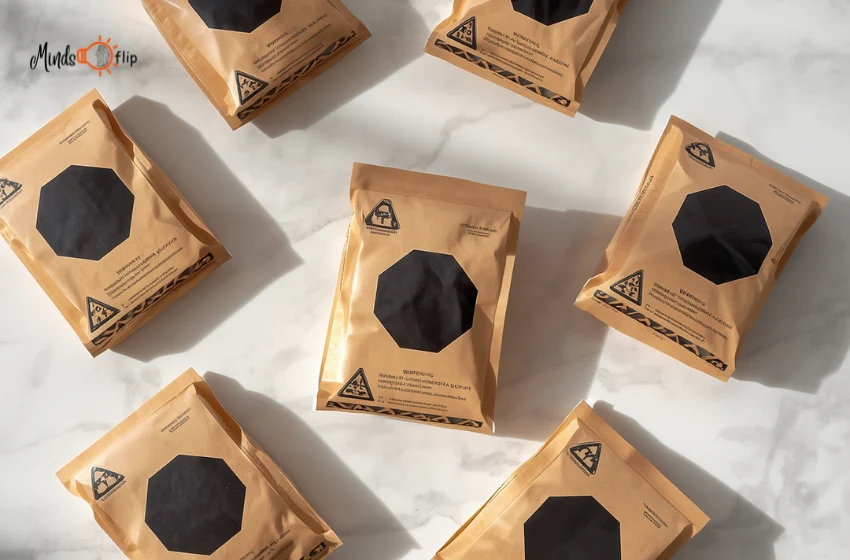
Before we start:
You've probably never heard of Decreto Supremo 160. But if you eat packaged food and let's be honest, most of us do this Chilean law affects your life more than you think.
Here's the thing. Most countries just slap a nutrition table on the back of a food package and call it a day. You know the one tiny font, confusing numbers, and you need a science degree to understand what '% daily value' actually means.
Chile said: that's not good enough.
They created Decreto Supremo 160. And it changed everything about how people buy and eat food. Not just in Chile but it's now influencing food policy all over the world, including conversations happening right now in the United States.
Let's break it all down simply. No fluff.
So what exactly is Decreto Supremo 160?
It's a law officially called a "supreme decree" issued by the Chilean government in 2012 under the Ministry of Health. The law forced food companies to put big, black, octagon-shaped warning labels on the front of any packaged food that's too high in sugar, sodium, saturated fat, or calories.
Think of it like a stop sign on your snack bag. Hard to miss. Easy to understand. Even an 8-year-old gets it.
▬ HIGH IN SUGAR ▬ HIGH IN SODIUM ▬ HIGH IN SAT. FAT ▬ HIGH IN CALORIES
Chile's front-of-package black octagon warning labels
Before this law, food companies in Chile just like in the U.S. could market sugary cereals as "healthy" and nobody had to say otherwise. Decreto Supremo 160 put a stop to that.
Why did Chile even need this law?
Because the numbers were scary.
|
74% of Chilean adults were overweight or obese before the law |
#1 Chile ranked among world's highest ultra-processed food consumers |
2012 Year the decree was officially signed into law |
12+ Countries have since adopted similar labeling systems |
Diet-related diseases like type 2 diabetes, heart disease, and high blood pressure were putting enormous pressure on Chile's healthcare system. The government looked at the data and said we have to do something real, not just put a number on a label nobody reads.
So they did something bold. They made warning labels impossible to ignore.
Did it actually work?
Yes. And the results are kind of remarkable.
After the law took effect, studies showed that Chilean consumers started buying fewer products with warning labels. Food companies not wanting those black octagons on their products started quietly reformulating their recipes. Less sugar. Less salt. Less saturated fat.
Real impact
The labels didn't just change what people bought. They changed what companies made. That's the real win prevention at the source, not just information at the shelf.
Parents started checking labels before buying kids' snacks. Schools in Chile banned selling foods with warning labels in cafeterias. The whole food culture started to shift — slowly, but noticeably.
Wait, isn't there also a Decreto Supremo 160 about fuel?
Good catch. Yes, there are actually two laws with the same name.
The other version issued in 2009 by Chile's Ministry of Economy deals with fuel safety. It sets strict rules for how companies store, handle, and transport liquid fuels and dangerous materials. Think industrial safety: tank specifications, leak prevention, emergency protocols.
Same law number, totally different world. If you're a business owner dealing with fuel or industrial chemicals in Chile, that's the one you need to know about. But for most people reading this? The food version is what matters.
See Also : Nahttypen: Every Seam Type You Need to Know
What does this mean for Americans?
Here's where it gets interesting for U.S. readers.
The U.S. FDA has been watching Chile's experiment very closely. For years, health advocates in America have pushed for similar front-of-package warning labels here. Right now, the U.S. still uses the old nutrition facts panel on the back, the one most people glance at and ignore.
The U.S. situation
The FDA has proposed "healthy" front-of-package labeling rules but they're voluntary, not mandatory. Chile's model shows what happens when you make it mandatory. The results speak for themselves.
Big food companies in the U.S. have lobbied hard against warning labels for obvious reasons. But public health organizations, nutritionists, and consumer groups keep pointing to Chile as proof that it works.
So the next time you see a debate about food labeling in the U.S., remember: Decreto Supremo 160 is exactly the experiment that both sides are arguing about.
Frequently Asked Questions
Is Decreto Supremo 160 only in Chile?
The original law is Chilean. But similar labeling systems inspired by it have been adopted in Mexico, Peru, Uruguay, and several other Latin American countries. International health groups consider it a global model.
What foods get the warning labels?
Any packaged food that exceeds government thresholds for calories, sodium, sugar, or saturated fat per 100g must display the black octagon labels. The thresholds have been tightened in phases since the law launched.
Can companies be fined for not following the law?
Yes. Non-compliance can result in fines, legal action, and even product bans. The law is enforced by Chile's Ministry of Health and is not optional.
Did food companies oppose this law?
Initially, yes. Many food manufacturers pushed back, worrying about costs, sales impact, and export competition. Over time, most adapted by reformulating products rather than keeping the warning labels.
Conclusion
The Bottom Line Decreto Supremo 160 is proof that smart, simple regulation can actually change behavior for companies and consumers. Chile took a real problem (a diet-related health crisis) and found a solution that didn't just educate people it redesigned the system. Whether you're a health advocate, a business owner, or just someone trying to eat better, this law is a story worth knowing. For more latest updates must vsiit Mindslfip.